Our Service
The Agricultural Input Supply plays a critical role in ensuring that member cooperatives and farmers have timely and reliable access to essential agricultural inputs. The department is responsible for sourcing, procuring, and distributing inputs such as Urea, DAP, NPS, and NPSB fertilizers, improved crop seeds, and crop protection chemicals including herbicides, pesticides, and fungicides.
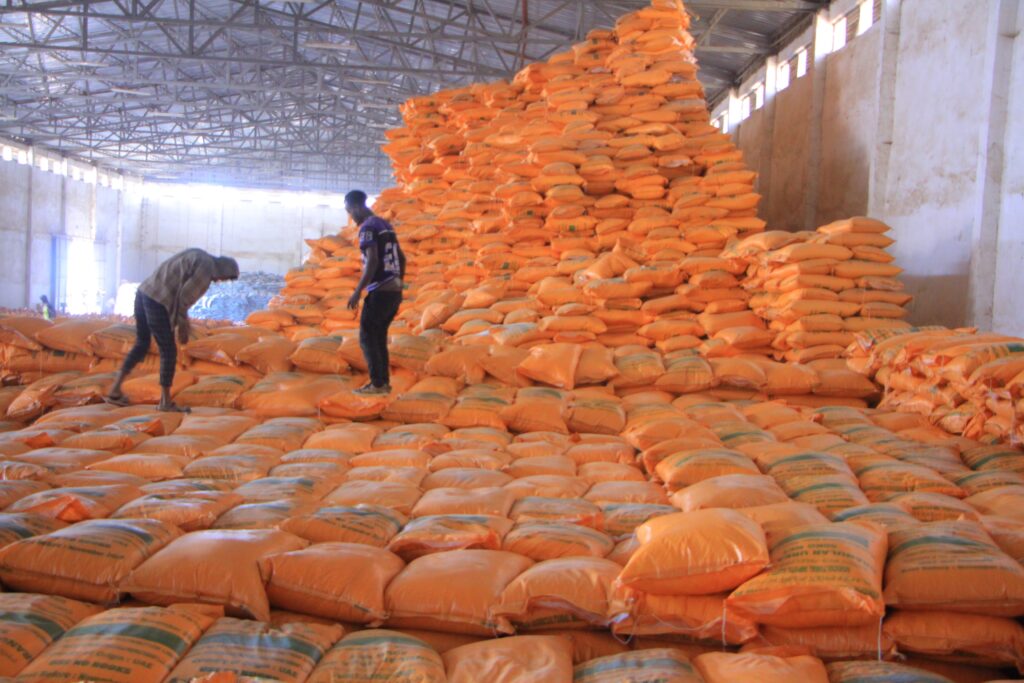
By purchasing inputs in bulk and distributing them through the cooperative structure, the project ensures affordability, quality assurance, and timely delivery before planting seasons. It also works closely with agricultural experts and extension workers to promote the proper utilization of inputs, helping farmers improve soil fertility, increase crop productivity, and reduce risks associated with poor-quality inputs.
Seed Multiplication
The Seed Multiplication Department is responsible for producing and supplying high-quality, certified seeds to member cooperatives and farmers. The project teams collaborates with selected farmers, cooperatives, and agricultural institutions to multiply improved crop varieties such as wheat, teff, maize, and barley under controlled and supervised conditions.
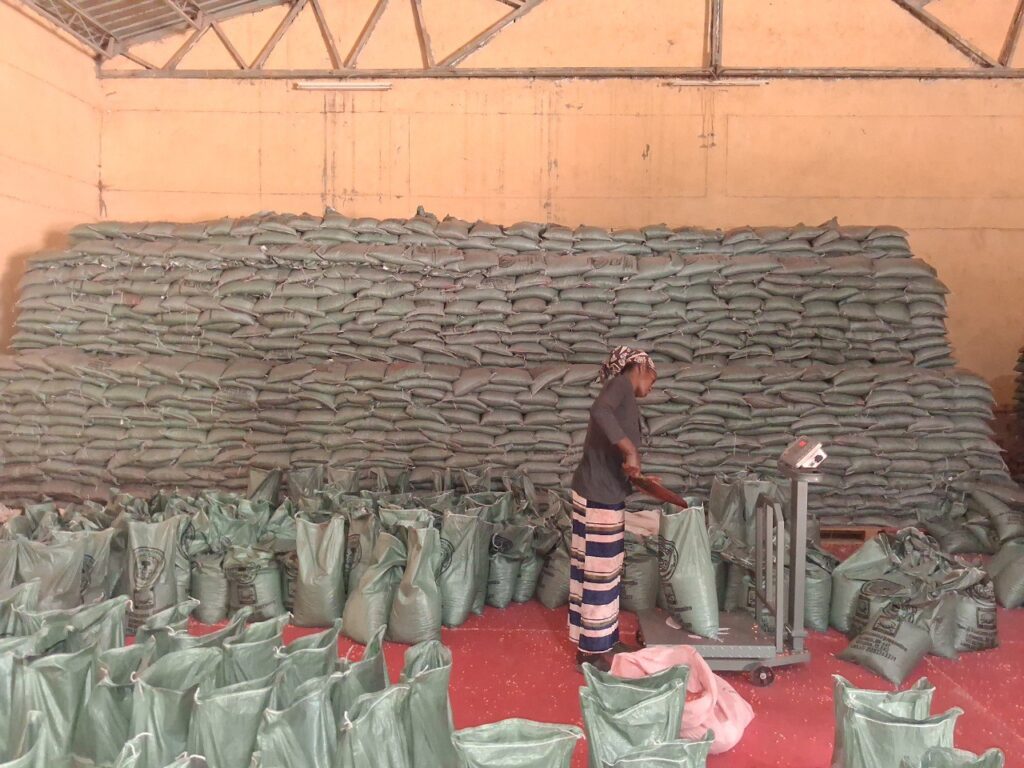
It ensures that seed production follows recommended agronomic practices and quality standards, from planting to harvesting, processing, and storage. In addition, the department provides training and technical support to seed producer farmers, enhancing their capacity and ensuring sustainability. Through this service, the Union improves access to quality seeds, increases crop yields, and strengthens food security and resilience in West Shewa Zone.
Agricultural Mechanization
The Agricultural Mechanization promotes the use of modern farming technologies and machinery to improve efficiency and productivity in agriculture. It provides services such as tractor-based land preparation, planting, harvesting, threshing, and transportation.
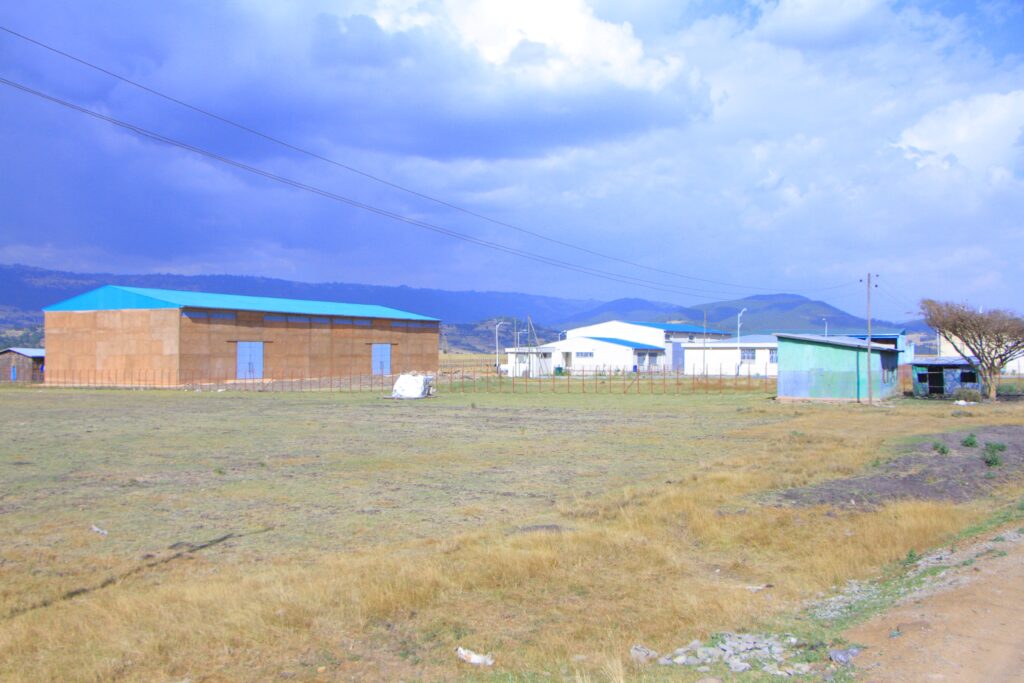
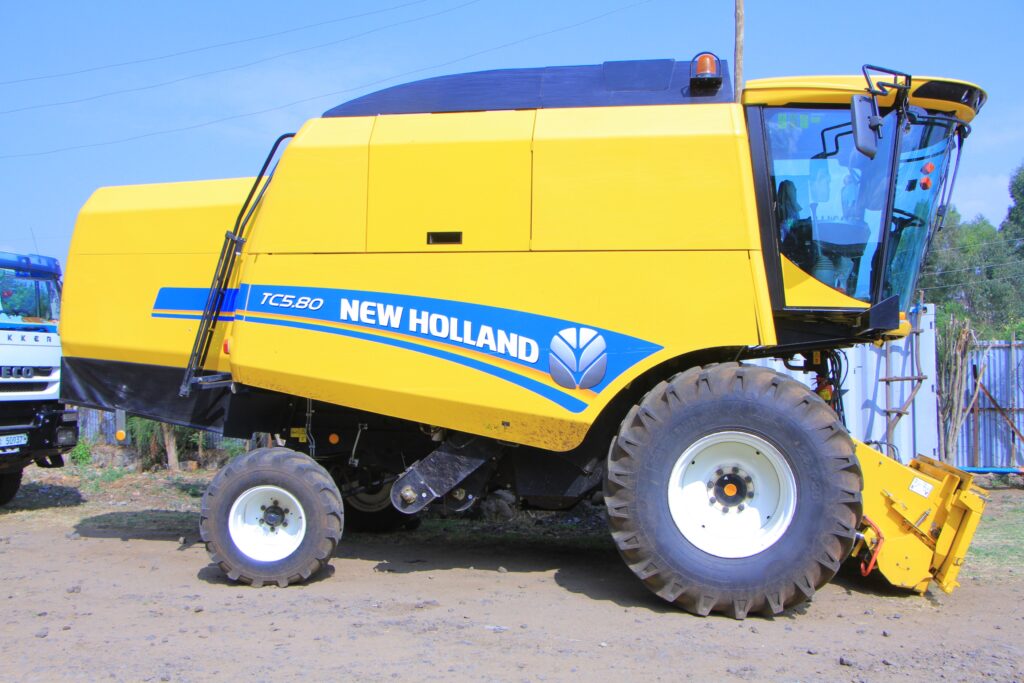
This Project enables farmers to cultivate larger areas of land within a shorter time, reducing labor shortages and production costs. It also facilitates access to machinery through rental services and cooperative-based ownership models, ensuring affordability for smallholder farmers. By introducing mechanization, the project contributes to modernizing agriculture and increasing overall farm productivity.
Wheat Flour Processing Factory
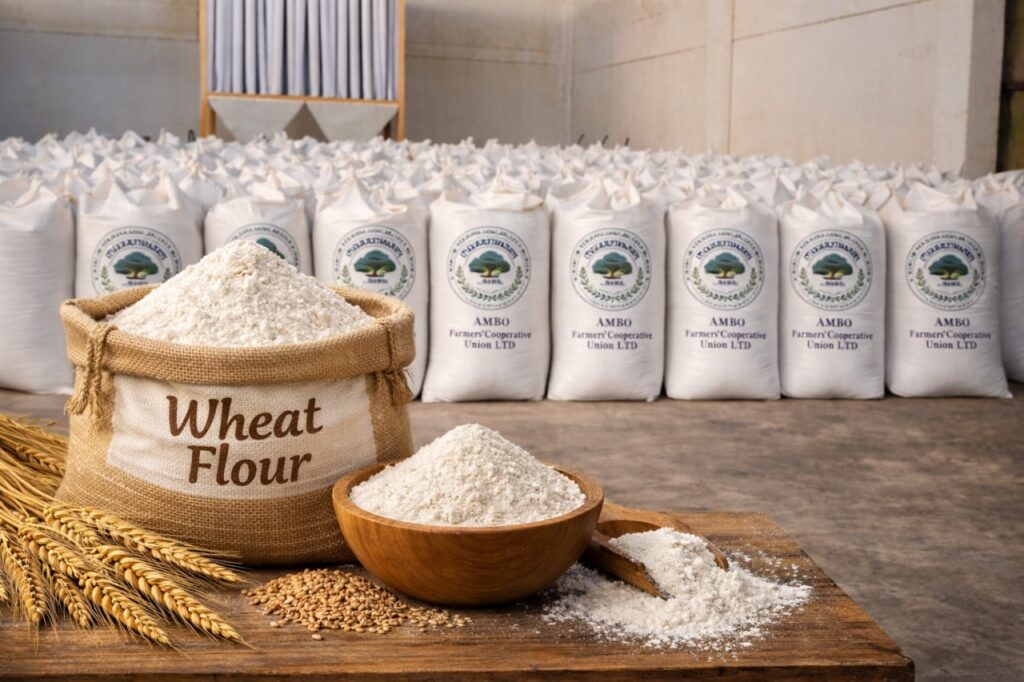
This Project manages the Union’s Wheat Flour Processing Factory, which plays a central role in value addition. It purchases wheat directly from member cooperatives and farmers, ensuring a stable and reliable market for their produce. The wheat is processed into high-quality flour for supply to local markets, institutions, and the Union’s Bread Factory.
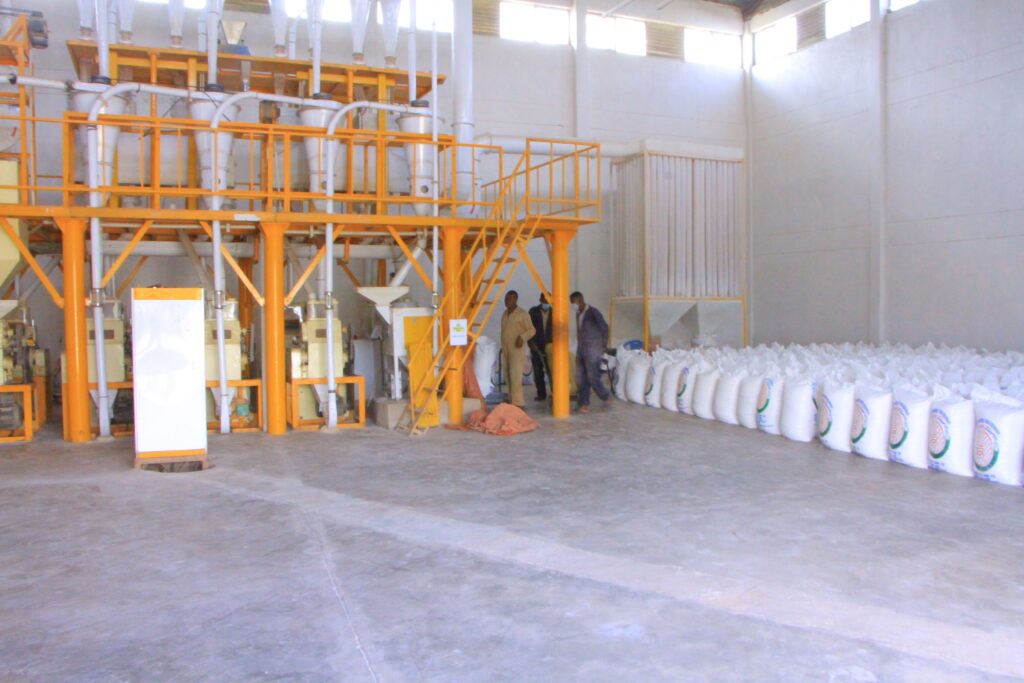
In addition, the project ensures efficient utilization of resources by supplying wheat milling by-products to the Animal Feed Production Department. This integrated system reduces waste, increases efficiency, and strengthens the Union’s agro-processing value chain while contributing to local industrial development.
Animal Feed Production Factory
The Animal Feed Production Department produces and supplies nutritious and balanced livestock feed to support dairy, beef, and small ruminant production. It utilizes locally available raw materials, including agricultural residues and by-products from wheat processing, to manufacture high-quality feed.
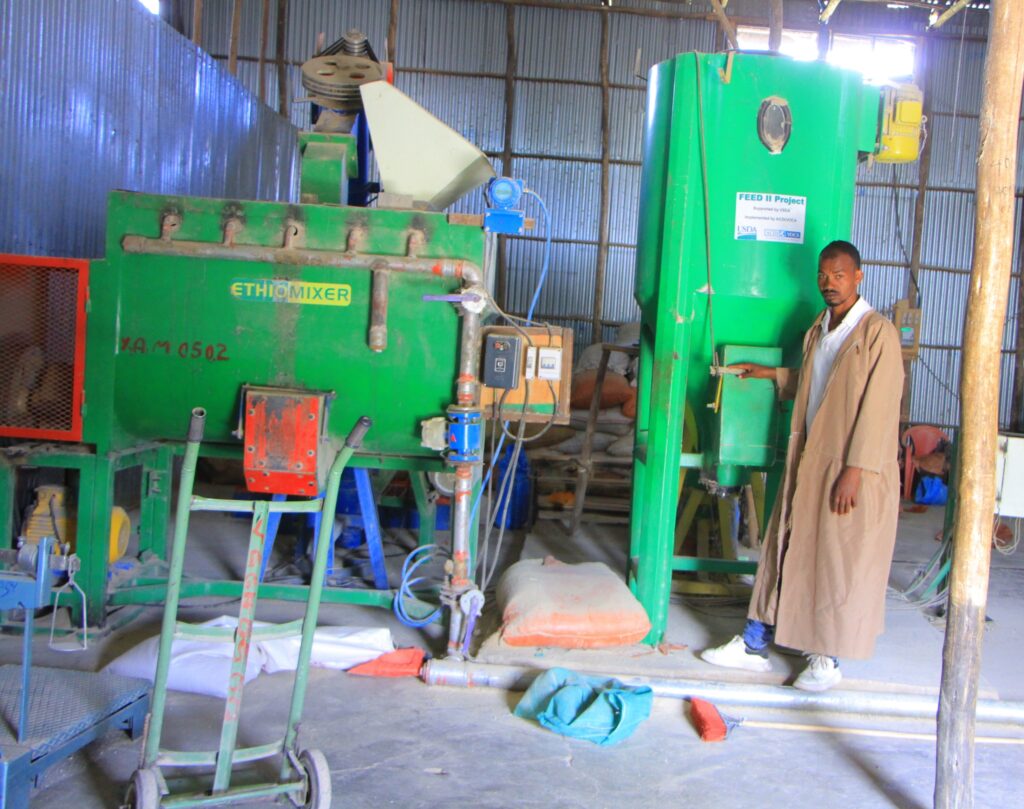
The department plays a key role in improving livestock productivity, animal health, and farmer income by ensuring the availability of affordable and reliable feed. It also supports farmers with guidance on proper feeding practices, contributing to the development of a sustainable livestock sector.
Dairy Farming
The Dairy Farming Department focuses on improving milk production, animal health, and market access for dairy farmers. It provides support through the supply of improved dairy inputs, training on modern dairy management practices, and facilitation of veterinary services.
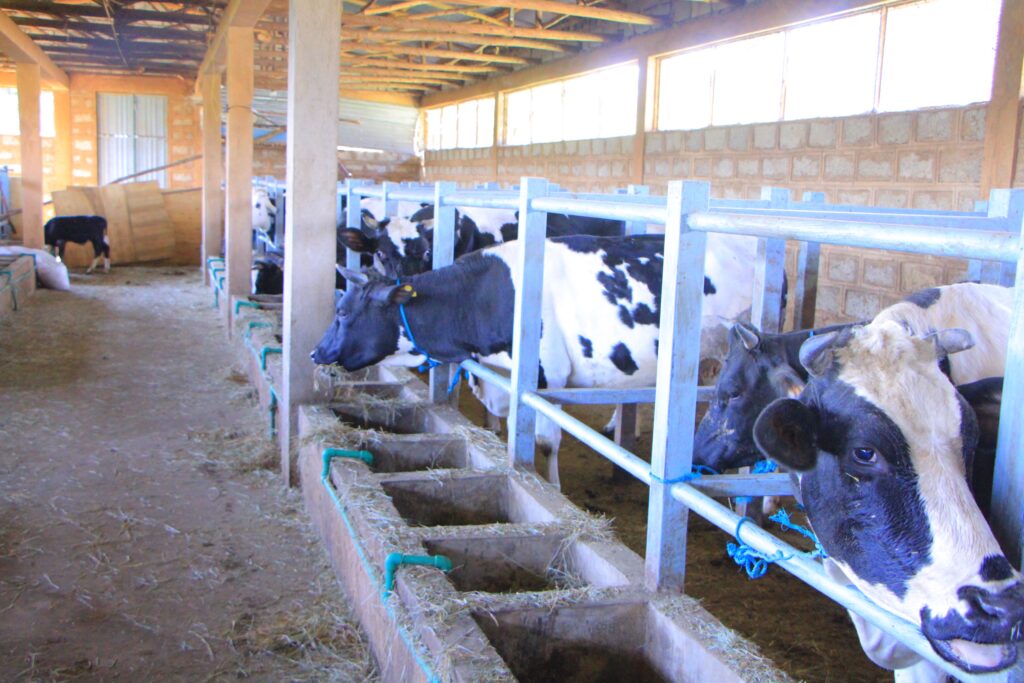
The department also promotes the establishment of milk collection centers and cooperative dairy enterprises, helping farmers access reliable markets for their milk and dairy products. By strengthening dairy value chains, the department contributes to improved nutrition, increased income, and rural economic development.
Marketing and Value Chain Department
The Marketing and Value Chain Department works to create strong and sustainable market linkages for agricultural products produced by member cooperatives and farmers. It facilitates the collection, storage, and marketing of crops such as wheat, teff, maize, and barley.
The department also promotes value addition and agro-processing, ensuring that farmers benefit from better prices and expanded market opportunities. Through market information systems, partnerships, and contract arrangements, it helps farmers reduce market risks and increase their income.